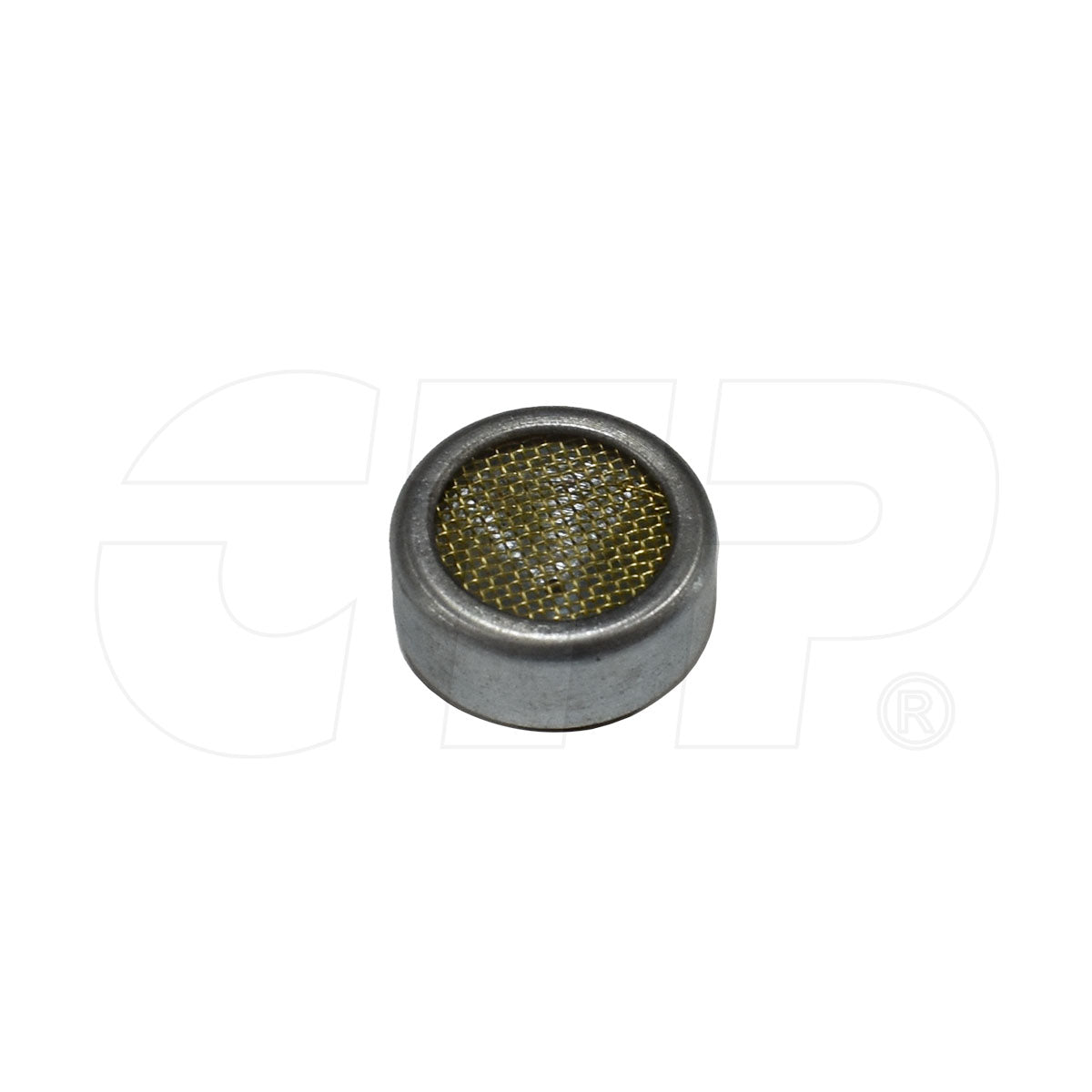
This strainer assembly is designed to remove coarse contaminants from fuel or oil systems, protecting pumps and injectors from abrasive particles. It is constructed to meet demanding performance criteria, providing more effective filtration than a damaged or clogged strainer that allows debris to circulate. Operators might notice intermittent fuel starvation or reduced lubrication effectiveness as symptoms of a failing strainer.
Always verify with serial number before ordering.
Parts Trading Company · Mumbai, Est. 1956 · Same-day dispatch · Ships worldwide · GST invoice included
From the same category — may also be needed
Full shipping information on regional pages · Air freight 2–12 days · GST invoice for India
Never run an engine without a filter — even briefly causes abrasive damage. Pre-fill fuel filters with clean fuel before fitting to reduce prime time. Replace O-rings on filter housings every second service. Record change dates on filter housing.
Always consult the OEM service manual for model-specific torque values and procedures. WhatsApp our technical team if you need fitment guidance.
A partially clogged strainer may initially cause slight hesitations or a minor reduction in system pressure. If the blockage worsens, it can lead to significant fuel starvation or inadequate lubrication, potentially causing engine misfires or overheating. Continued operation with a severely restricted strainer risks damage to fuel injection components or bearings.
Ensure the sealing surfaces on both the strainer and the housing are clean and free of any old gasket material before installation. Do not overtighten the retaining fasteners, as this can distort the housing or damage the seal.
Inspect the fuel or oil lines connected to the strainer for any signs of leaks or damage.