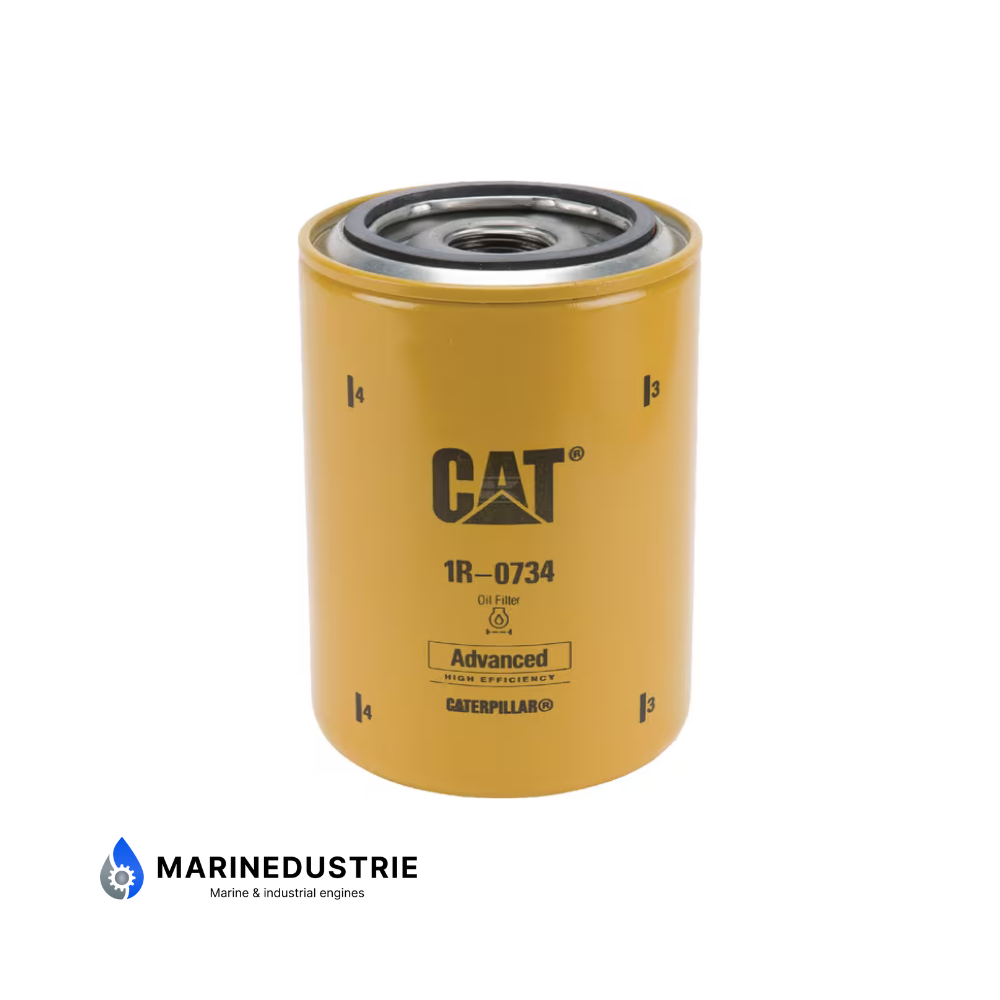
This component serves as a crucial filter in the hydraulic system, removing contaminants that can cause wear and system malfunction. It protects sensitive hydraulic components like pumps, valves, and cylinders from abrasive particles, ensuring smooth and efficient operation. A clogged or damaged filter can lead to sluggish hydraulic response, overheating, and premature component failure.
Always verify with serial number before ordering.
Parts Trading Company · Mumbai, Est. 1956 · Same-day dispatch · Ships worldwide · GST invoice included
From the same category — may also be needed
Full shipping information on regional pages · Air freight 2–12 days · GST invoice for India
Never run an engine without a filter — even briefly causes abrasive damage. Pre-fill fuel filters with clean fuel before fitting to reduce prime time. Replace O-rings on filter housings every second service. Record change dates on filter housing.
Always consult the OEM service manual for model-specific torque values and procedures. WhatsApp our technical team if you need fitment guidance.
Sluggish or erratic hydraulic movements, such as slow boom or bucket operation, are common initial symptoms of a clogged hydraulic filter. If ignored, the hydraulic system may overheat, and internal component damage can accelerate, leading to a loss of hydraulic function. The ultimate risk is significant damage to the hydraulic pump and cylinders, resulting in extensive repair costs.
Ensure the hydraulic system is depressurized before attempting to remove the old filter. Clean the filter housing thoroughly to prevent any dirt from entering the hydraulic fluid during installation.
Inspect the hydraulic fluid for signs of contamination or degradation and check the condition of the hydraulic pump and cylinders when replacing the filter element.