This solenoid acts as an electrically operated valve, controlling the flow of fluid or air within a system based on electrical signals. Manufactured to precise tolerances, it ensures reliable actuation and proper system function, unlike a worn solenoid that may stick or fail to operate. Operators might notice system malfunctions, leaks, or the inability of a specific function to engage or disengage.
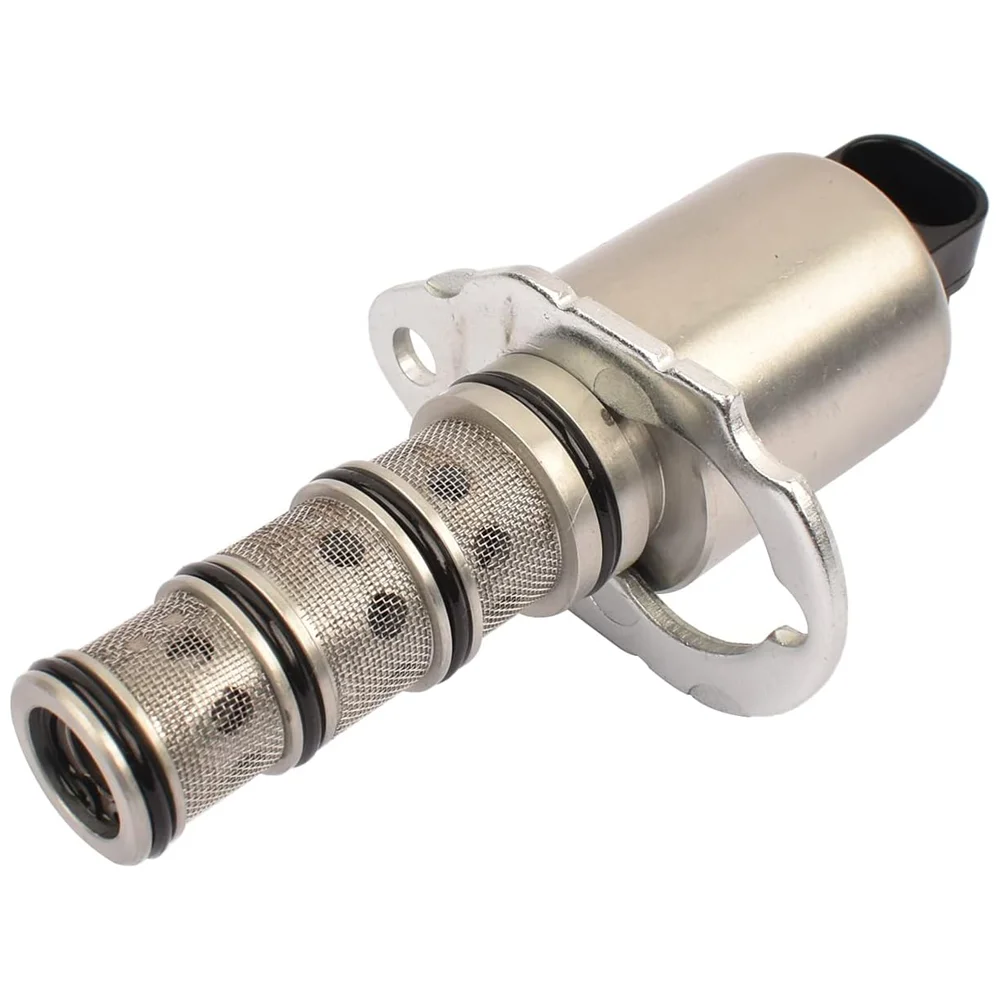
Always verify with serial number before ordering.
Parts Trading Company · Mumbai, Est. 1956 · Same-day dispatch · Ships worldwide · GST invoice included
From the same category — may also be needed
Full shipping information on regional pages · Air freight 2–12 days · GST invoice for India
Disconnect main battery before working on electrical components. Use dielectric grease on all connector pins. Check ground connections — most electrical faults trace to poor grounds. Test with multimeter before installing new parts.
Always consult the OEM service manual for model-specific torque values and procedures. WhatsApp our technical team if you need fitment guidance.
The initial symptom of a failing solenoid is often inconsistent operation of the controlled function, such as a slow response or intermittent engagement. If left unaddressed, the solenoid may fail completely, leading to a loss of function in the associated system. The worst-case scenario is a critical system failing to operate, potentially causing the machine to become inoperable or unsafe to use.
Ensure the electrical connector is clean and securely attached to the solenoid to guarantee proper signal transmission. Avoid applying excessive force when installing the solenoid into its housing, which could damage the threads or seals.
When replacing a solenoid, inspect the associated hydraulic lines or air hoses for leaks and check the fluid or air filter for contamination.