This component serves as a critical seal within the equipment's powertrain, preventing the leakage of lubricants and contaminants. It is manufactured to meet high-quality standards, ensuring effective sealing and longevity compared to a worn or damaged original seal. Operators may notice lubricant leaks, contamination of internal components, or premature wear of bearings and gears when this seal begins to fail.
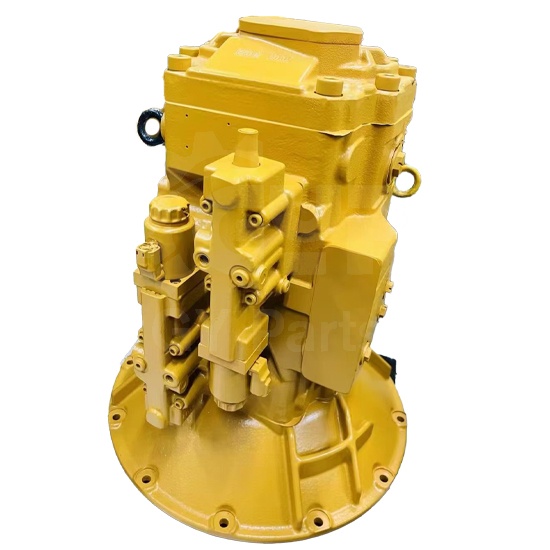
Always verify with serial number before ordering.
Parts Trading Company · Mumbai, Est. 1956 · Same-day dispatch · Ships worldwide · GST invoice included
From the same category — may also be needed
Cross-reference part number with serial number before ordering to confirm fitment. Keep original parts until new ones are confirmed correct. Record part numbers replaced for future reference.
Always consult the OEM service manual for model-specific torque values and procedures. WhatsApp our technical team if you need fitment guidance.
The first sign of a failing shaft seal is typically a visible lubricant leak around the sealed shaft or housing. If left unaddressed, the leak will worsen, potentially leading to low lubricant levels and increased wear on adjacent components. Continued operation with a compromised seal risks damage to bearings, gears, and other critical powertrain parts due to insufficient lubrication or contamination.
Carefully inspect the shaft for any burrs or imperfections that could damage the new seal during installation. Avoid using excessive force or improper tools, which can distort the seal and compromise its sealing ability.
When replacing a shaft seal, it is advisable to inspect the bearing it protects for signs of wear or damage.