This fuel level sensor accurately monitors the amount of fuel in the tank, providing essential data to the operator and the engine control module. It is built to meet rigorous quality standards, offering a reliable alternative to a worn sensor that might provide inaccurate or fluctuating readings. Operators may observe the fuel gauge showing incorrect levels, the low fuel warning light illuminating prematurely, or the gauge dropping suddenly when this sensor is malfunctioning.
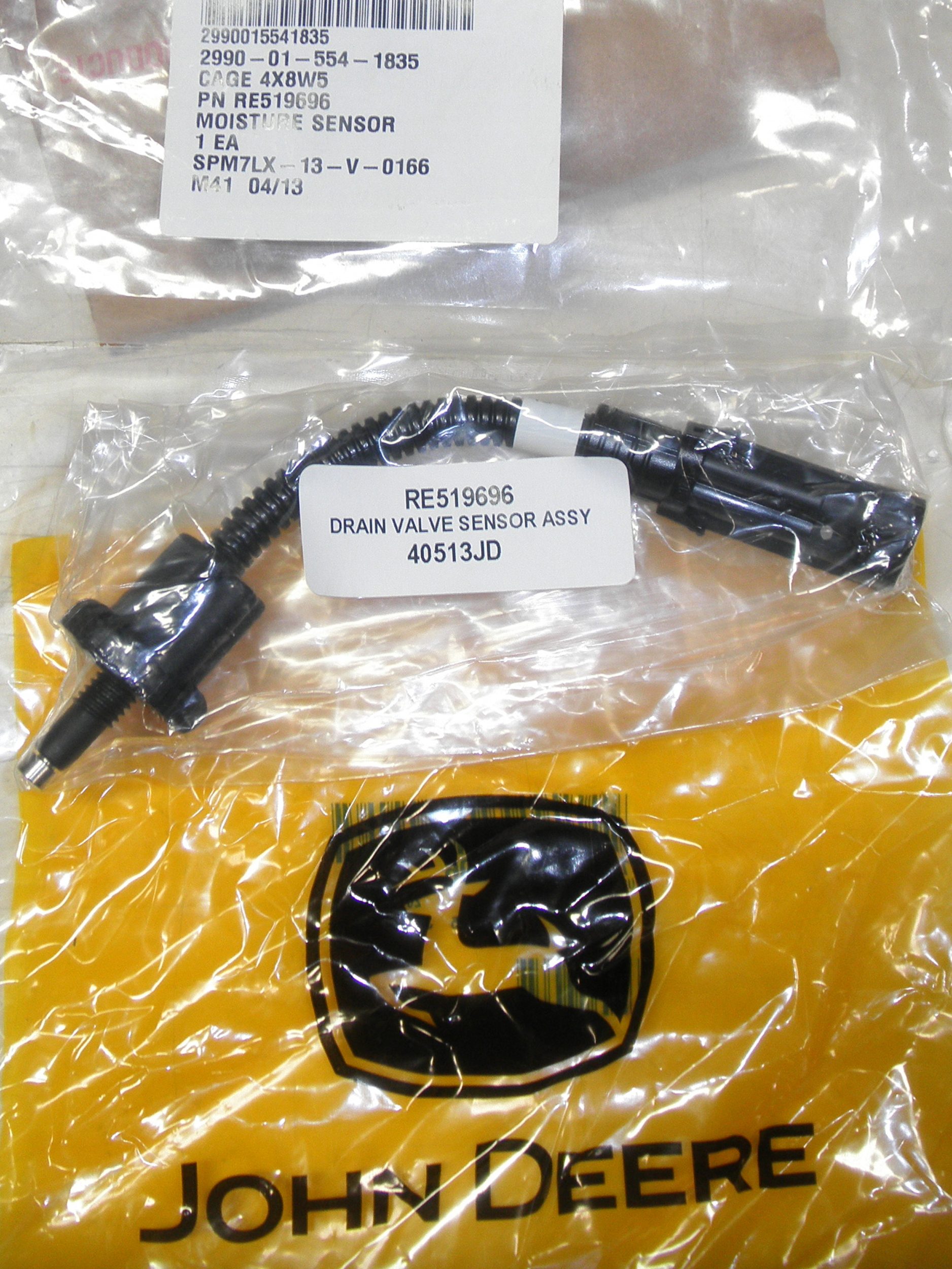
Always verify with serial number before ordering.
Parts Trading Company · Mumbai, Est. 1956 · Same-day dispatch · Ships worldwide · GST invoice included
From the same category — may also be needed
Full shipping information on regional pages · Air freight 2–12 days · GST invoice for India
Disconnect main battery before working on electrical components. Use dielectric grease on all connector pins. Check ground connections — most electrical faults trace to poor grounds. Test with multimeter before installing new parts.
Always consult the OEM service manual for model-specific torque values and procedures. WhatsApp our technical team if you need fitment guidance.
The first indication of a failing fuel level sensor is often an inaccurate or erratic fuel gauge reading. If ignored, the gauge may become completely unresponsive or show a consistently empty or full tank, regardless of the actual fuel level. This can lead to the risk of running out of fuel unexpectedly, potentially causing operational downtime.
Ensure the fuel tank is as empty as possible before attempting removal to minimize fuel spillage. Carefully align the sensor's mounting tabs with the fuel tank opening to avoid cross-threading or damaging the seal.
Inspect the fuel sender unit's float arm for free movement and check the fuel tank for any sediment or contamination.