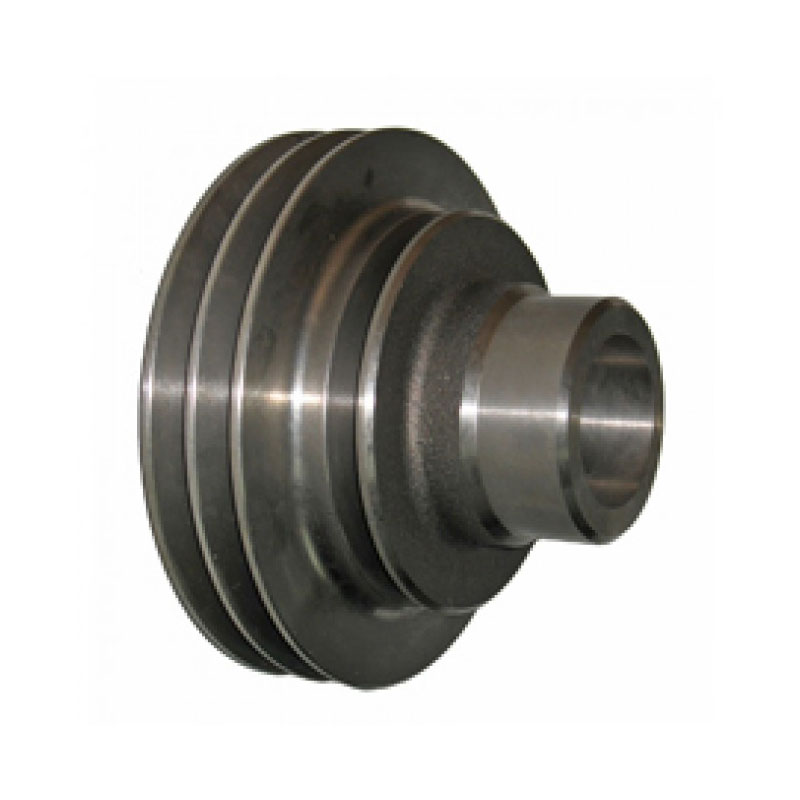
This crankshaft pulley is a critical component of the engine's accessory drive system, responsible for transmitting rotational force from the crankshaft to power components like the alternator and water pump. It is manufactured to meet stringent OEM quality standards, ensuring durability and precise balance that a worn or damaged pulley cannot provide. Symptoms of a failing pulley include unusual noises from the front of the engine, visible cracks or wobble in the pulley, and intermittent issues with accessory function.
Always verify with serial number before ordering.
Parts Trading Company · Mumbai, Est. 1956 · Same-day dispatch · Ships worldwide · GST invoice included
From the same category — may also be needed
Full shipping information on regional pages · Air freight 2–12 days · GST invoice for India
Disconnect main battery before working on electrical components. Use dielectric grease on all connector pins. Check ground connections — most electrical faults trace to poor grounds. Test with multimeter before installing new parts.
Always consult the OEM service manual for model-specific torque values and procedures. WhatsApp our technical team if you need fitment guidance.
The first sign of a failing crankshaft pulley is often a high-pitched squealing noise from the front of the engine, especially during startup or acceleration. If ignored, the pulley may develop a wobble, leading to premature belt wear and potential accessory failure. Ultimately, a severely damaged pulley can cause the drive belt to break, disabling critical engine functions like cooling and charging.
Before installing the new pulley, thoroughly clean the crankshaft snout to ensure a flush and secure fit. Avoid using excessive force or hammering the pulley onto the crankshaft, as this can damage both components.
Inspect the condition of the serpentine belt and all driven accessories (alternator, water pump, tensioner) when replacing the crankshaft pulley.