This pressure sensor accurately detects and reports hydraulic or system pressure to the relevant control module, enabling precise operation of machine functions. Manufactured to meet rigorous OEM standards, it provides reliable and accurate data, distinguishing it from a worn sensor that might exhibit drift or intermittent failures. Operators may notice sluggish hydraulic response, unexpected system shutdowns, or warning lights related to system pressure when this sensor is malfunctioning.
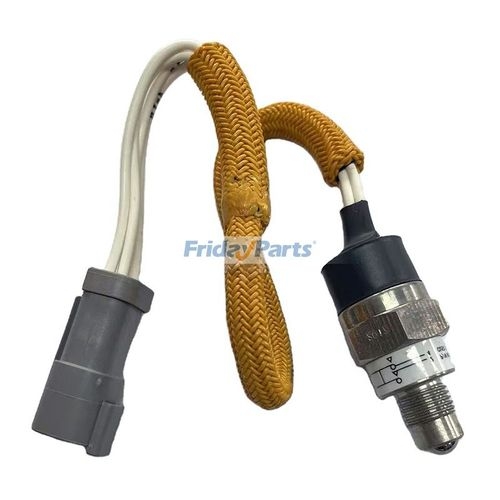
Always verify with serial number before ordering.
Parts Trading Company · Mumbai, Est. 1956 · Same-day dispatch · Ships worldwide · GST invoice included
From the same category — may also be needed
Full shipping information on regional pages · Air freight 2–12 days · GST invoice for India
Disconnect main battery before working on electrical components. Use dielectric grease on all connector pins. Check ground connections — most electrical faults trace to poor grounds. Test with multimeter before installing new parts.
Always consult the OEM service manual for model-specific torque values and procedures. WhatsApp our technical team if you need fitment guidance.
Early signs of a faulty pressure sensor include inconsistent or sluggish hydraulic system performance. If left unaddressed, the machine may exhibit erratic operation or enter a reduced power mode due to incorrect pressure feedback. This can lead to operational inefficiencies and potential damage to hydraulic components if pressure is not regulated correctly.
Ensure the hydraulic system is properly depressurized before attempting removal to prevent injury and fluid loss. Use the correct thread sealant, if required, and avoid over-tightening the sensor to prevent damage to the port or sensor threads.
Inspect the hydraulic fluid for contamination, check the hydraulic filter condition, and examine the hydraulic lines for any leaks or damage.