This is a thermostat that regulates the engine's operating temperature by controlling coolant flow through the radiator. It is constructed from high-quality materials to ensure precise temperature regulation and longevity, outperforming a stuck or leaking thermostat. Operators may notice the engine running too cool or overheating, accompanied by fluctuating temperature gauge readings.
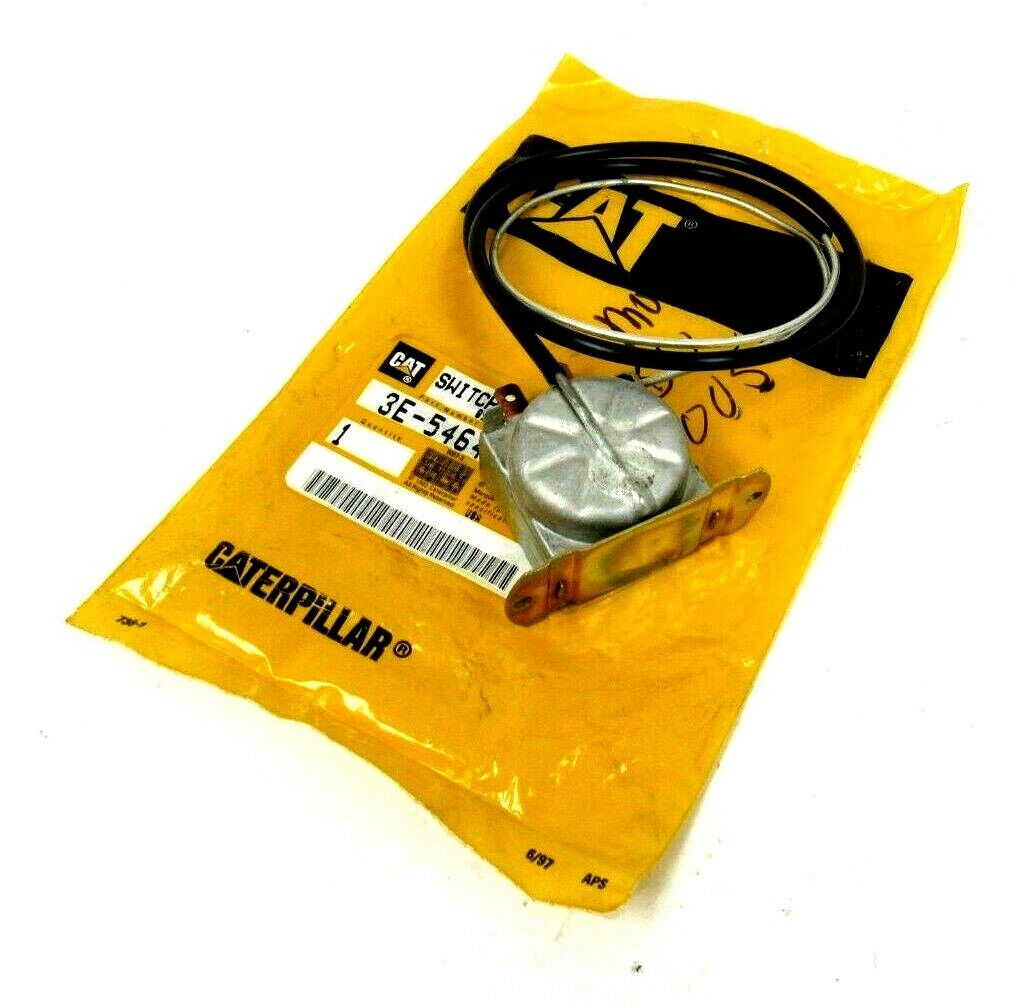
Always verify with serial number before ordering.
Parts Trading Company · Mumbai, Est. 1956 · Same-day dispatch · Ships worldwide · GST invoice included
From the same category — may also be needed
Full shipping information on regional pages · Air freight 2–12 days · GST invoice for India
Disconnect main battery before working on electrical components. Use dielectric grease on all connector pins. Check ground connections — most electrical faults trace to poor grounds. Test with multimeter before installing new parts.
Always consult the OEM service manual for model-specific torque values and procedures. WhatsApp our technical team if you need fitment guidance.
Early indicators of a faulty thermostat include the engine temperature gauge reading consistently lower or higher than normal. If ignored, the engine may struggle to reach optimal operating temperature, leading to poor fuel efficiency and increased wear, or it could lead to overheating and potential engine damage.
Ensure the thermostat's sealing surface on the engine block or housing is clean and free of old gasket material before installation. Do not overtighten the thermostat housing bolts, as this can distort the housing or damage the thermostat.
Inspect the radiator hoses and water pump for signs of wear or leaks when replacing the thermostat.