This temperature sender is designed to accurately measure the engine's coolant or oil temperature and relay this information to the machine's monitoring system. Manufactured to meet high-quality specifications, it provides reliable readings that are crucial for optimal engine performance, unlike a worn sender that may exhibit inaccurate or delayed responses. Operators might notice the temperature gauge showing incorrect readings, a coolant temperature warning light that is constantly illuminated or not activating when needed, or the engine performance being affected by incorrect thermal data.
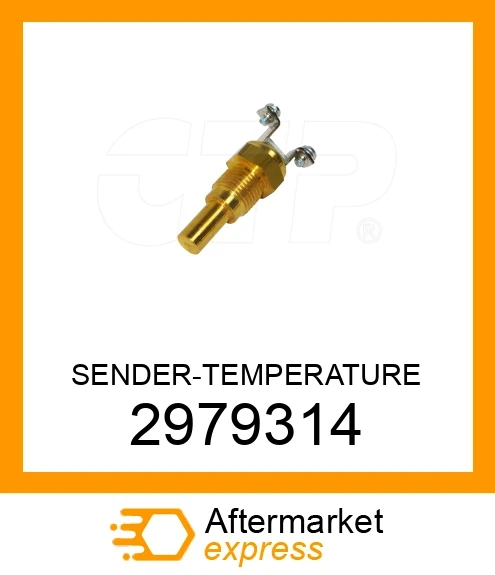
Always verify with serial number before ordering.
Parts Trading Company · Mumbai, Est. 1956 · Same-day dispatch · Ships worldwide · GST invoice included
From the same category — may also be needed
Full shipping information on regional pages · Air freight 2–12 days · GST invoice for India
Disconnect main battery before working on electrical components. Use dielectric grease on all connector pins. Check ground connections — most electrical faults trace to poor grounds. Test with multimeter before installing new parts.
Always consult the OEM service manual for model-specific torque values and procedures. WhatsApp our technical team if you need fitment guidance.
Initial signs of a failing temperature sender include erratic or incorrect readings on the temperature gauge. If the issue persists, the engine control unit may receive faulty data, leading to suboptimal performance or persistent warning indicators. Failure to address this can result in the engine operating at an improper temperature, potentially causing increased wear or reduced efficiency.
Ensure the engine block's threaded port is clean and free of any old sealant or debris before threading in the new sender. Do not overtighten the sender, as this can strip the threads in the engine block or damage the sender's housing.
When replacing the temperature sender, it is advisable to check the condition of the coolant and inspect for any leaks in the cooling system.