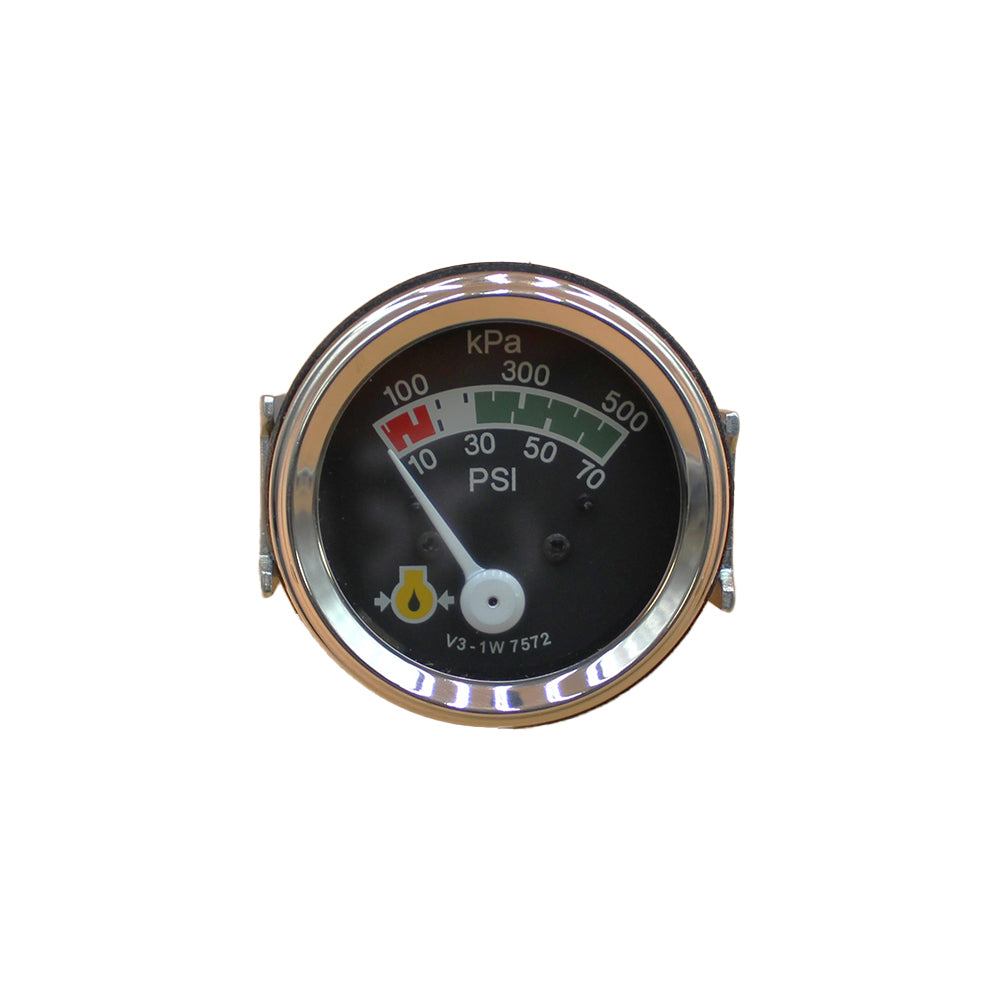
This pressure indicator is a gauge that visually displays the operating pressure within a specific system, such as the engine oil or hydraulic circuit. It is built with robust materials to ensure accurate and consistent readings under demanding conditions, outperforming a faded or stuck indicator. Operators will notice a lack of visual pressure feedback or potentially incorrect readings if this indicator fails.
Always verify with serial number before ordering.
Parts Trading Company · Mumbai, Est. 1956 · Same-day dispatch · Ships worldwide · GST invoice included
From the same category — may also be needed
Full shipping information on regional pages · Air freight 2–12 days · GST invoice for India
Disconnect main battery before working on electrical components. Use dielectric grease on all connector pins. Check ground connections — most electrical faults trace to poor grounds. Test with multimeter before installing new parts.
Always consult the OEM service manual for model-specific torque values and procedures. WhatsApp our technical team if you need fitment guidance.
The primary symptom of a failed pressure indicator is a lack of any needle movement or consistently incorrect readings on the gauge face. If this is not addressed, operators lose the ability to monitor critical system pressures, which could lead to undetected lubrication or hydraulic failures. Ignoring low or fluctuating pressure readings can result in severe component damage due to lack of lubrication or hydraulic starvation.
Ensure the pressure port is clean and free of obstructions before installing the new indicator. Do not overtighten the fitting, as this can damage the threads or the gauge itself.
When replacing the pressure indicator, check the condition of the pressure line and any associated filters or sending units.