This is a pulley designed to transmit rotational motion from a belt to another component, typically part of the engine's accessory drive system. It is constructed from durable materials to withstand continuous operation and resist wear, unlike a worn pulley which may exhibit grooving or wobble. Observable symptoms of a failing pulley include excessive belt noise (squealing or chirping), premature belt wear, or a wobbly pulley that can cause belt slippage and reduced accessory performance.
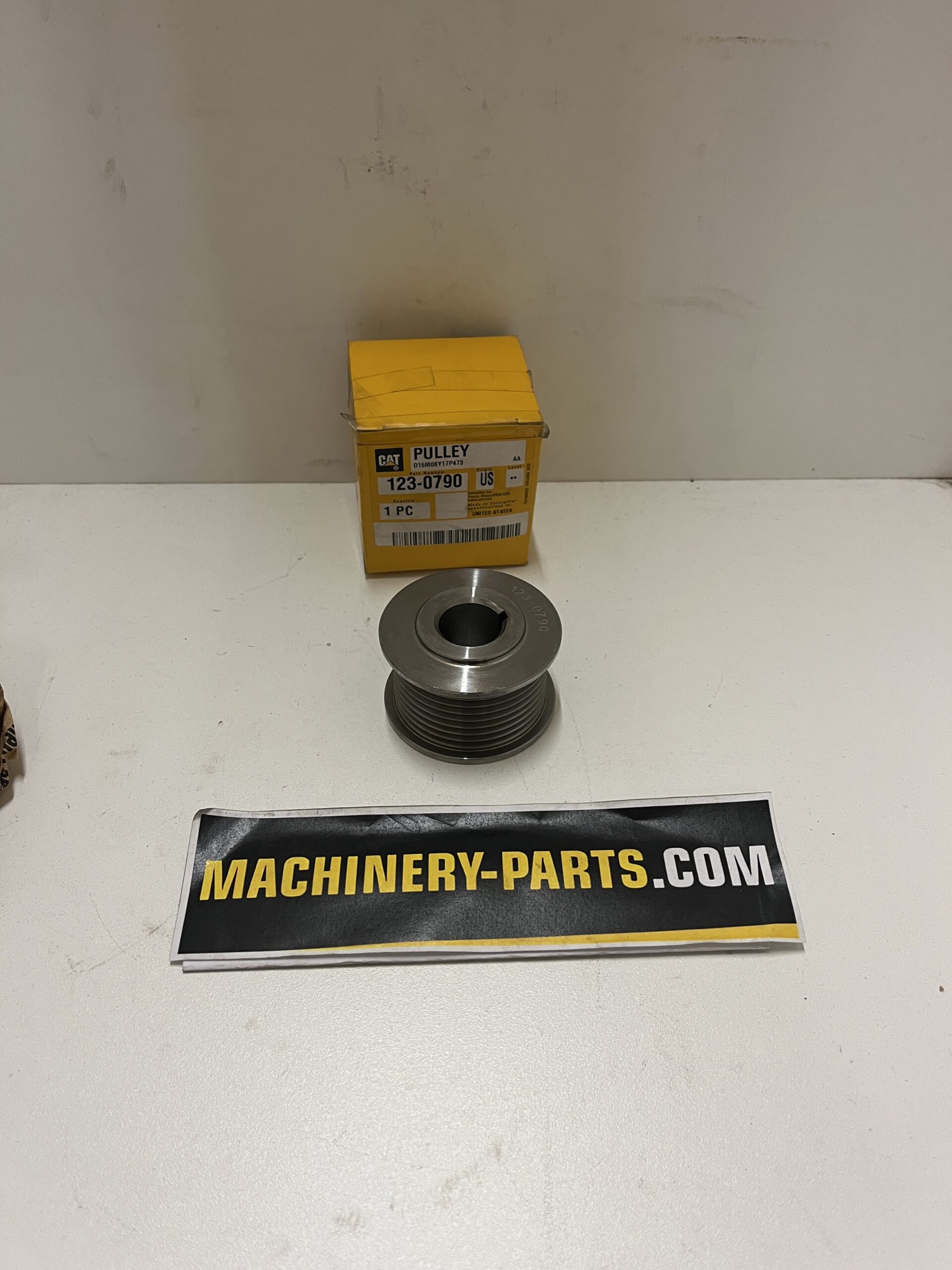
Always verify with serial number before ordering.
Parts Trading Company · Mumbai, Est. 1956 · Same-day dispatch · Ships worldwide · GST invoice included
From the same category — may also be needed
Full shipping information on regional pages · Air freight 2–12 days · GST invoice for India
Disconnect main battery before working on electrical components. Use dielectric grease on all connector pins. Check ground connections — most electrical faults trace to poor grounds. Test with multimeter before installing new parts.
Always consult the OEM service manual for model-specific torque values and procedures. WhatsApp our technical team if you need fitment guidance.
A worn pulley will typically first present as an audible squealing or chirping sound from the belt area, especially under load. If left unaddressed, the pulley's imbalance or worn surface can cause the drive belt to slip, leading to reduced performance of driven accessories like the alternator or water pump. In severe cases, the belt can be thrown off entirely, causing a loss of all accessory functions.
Before removing the old pulley, mark its orientation relative to the shaft if it's a keyed component to ensure correct alignment. Never use a pry bar to force the new pulley onto the shaft; ensure it seats properly by hand or with appropriate tooling.
When replacing a pulley, always inspect the condition of the drive belt and tensioner for wear or proper function.