This electrical component is essential for the reliable operation of the engine's control and monitoring systems, ensuring accurate data transmission and power management. Manufactured to strict quality benchmarks, it provides consistent performance and durability, unlike a faulty unit that could lead to system errors or shutdowns. Operators might experience engine performance issues, warning lights, or diagnostic trouble codes when this component begins to fail.
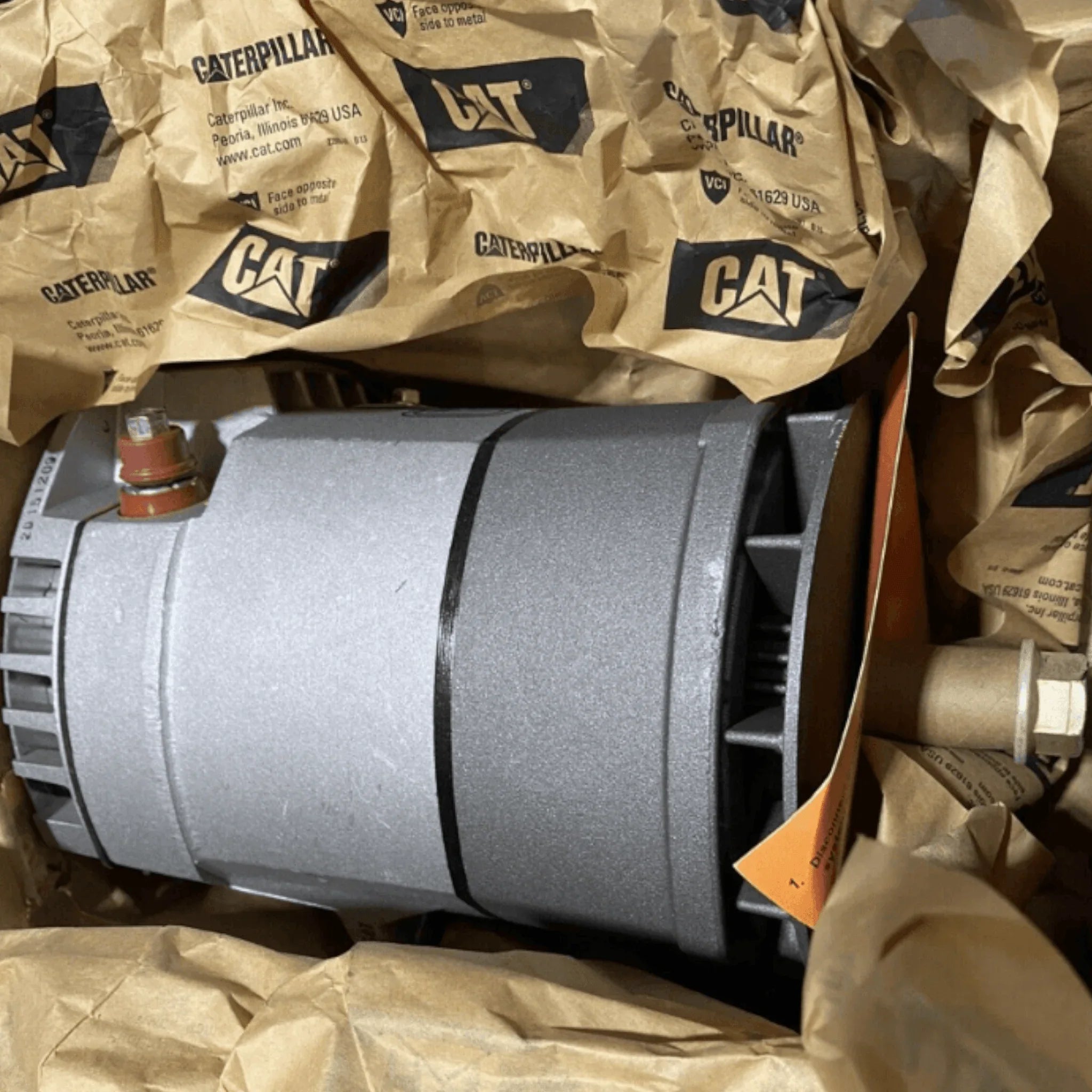
Always verify with serial number before ordering.
Parts Trading Company · Mumbai, Est. 1956 · Same-day dispatch · Ships worldwide · GST invoice included
From the same category — may also be needed
Full shipping information on regional pages · Air freight 2–12 days · GST invoice for India
Disconnect main battery before working on electrical components. Use dielectric grease on all connector pins. Check ground connections — most electrical faults trace to poor grounds. Test with multimeter before installing new parts.
Always consult the OEM service manual for model-specific torque values and procedures. WhatsApp our technical team if you need fitment guidance.
Early indications of a failing electrical component may include intermittent engine operation or the illumination of a check engine light. If left unaddressed, it can lead to persistent performance problems, such as rough idling, loss of power, or difficulty starting. The most severe consequence of an unaddressed failure is potential damage to the engine control module (ECM) or other critical electronic systems.
Always ensure the engine is completely shut down and the battery is disconnected before attempting to replace any electrical component. Double-check that all electrical connectors are properly seated and secured to prevent intermittent connections.
Inspect the engine wiring harness and associated connectors for any signs of damage, corrosion, or loose connections when replacing this electrical component.